A startup we're talking to has a pilot lined up with a state-run retirement plan. Before it can start, they need two things: a SOC 2 report and secure connectivity to the plan's call center. The pilot isn't waiting on the product. It's waiting on the paperwork.
We see this more and more with smaller software companies. SOC 2 used to be something you planned for once the business was bigger. Now it shows up in the first security questionnaire, and the deal sits until it's answered.
The usual mistake: starting with the framework
The instinct is to buy a compliance tool, open the list of criteria and start at control one. That's thorough, but slow. It can spend months on controls the buyer never asked about while the one item blocking the contract waits.
A faster route is to start with what the buyer actually asked for and work backwards.
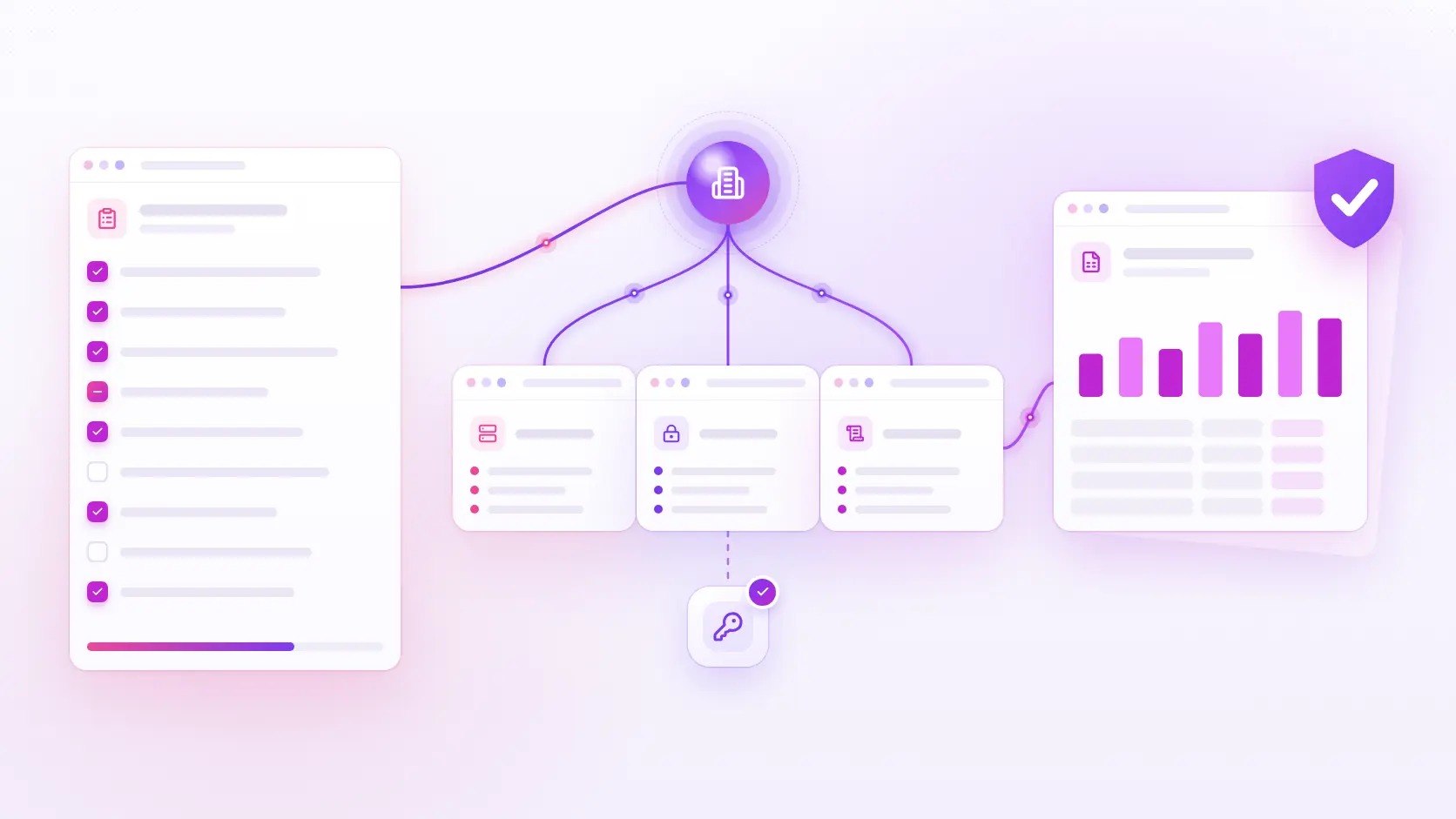
Work backwards in three steps
- Get the buyer's actual requirements. Ask for the questionnaire or security addendum itself, not a summary from the sales thread. The exact wording tells you whether they need a Type I or Type II report, and by when.
- Map each item to an AWS control. Most questions land on a small set of foundations: separate AWS accounts per environment, central identity with IAM Identity Center, guardrails through AWS Organizations, encryption by default, and logging that can't be switched off.
- Decide what evidence you'll hand over. Auditors and buyers want proof, not intent. AWS Security Hub can now export findings to Amazon S3 as CSV or JSON, which turns "we're compliant" into a file someone can read and keep.
Account structure comes first
If you fix one thing early, make it the account structure. Moving workloads between accounts later is the most disruptive change on the list, and it's one of the first things an auditor looks at. A clean layout, with production separate from everything else, a dedicated security and logging account, and identity managed centrally, makes most of the other controls easier to prove.
It also helps with requirements like the startup's call-center connectivity. When production lives in its own account with a clear network boundary, a private connection to a partner's environment is a scoped change, not a project.
Where we help
We usually start with an AWS Well-Architected review focused on security, then map each finding to the buyer requirement it unblocks. The remediation plan is ordered by what the deal needs first, so the team can answer the questionnaire while the rest of the work continues.
If a deal of yours is waiting on SOC 2, start with the buyer's list. We're happy to help you work back from it.