Your SaaS platform works. Your API layer works. Your data model works. You've spent years building something real users depend on, and the engineering investment behind it is not small.
And yet the board is asking about your AI strategy. Users are filing support tickets for things they should be able to do themselves, a competitor just launched a chat interface, and somewhere in the back of your mind is the uncomfortable thought: someone could wrap our API in an agent and bypass our UI entirely. They could. And some of them will.
The shift that is already happening
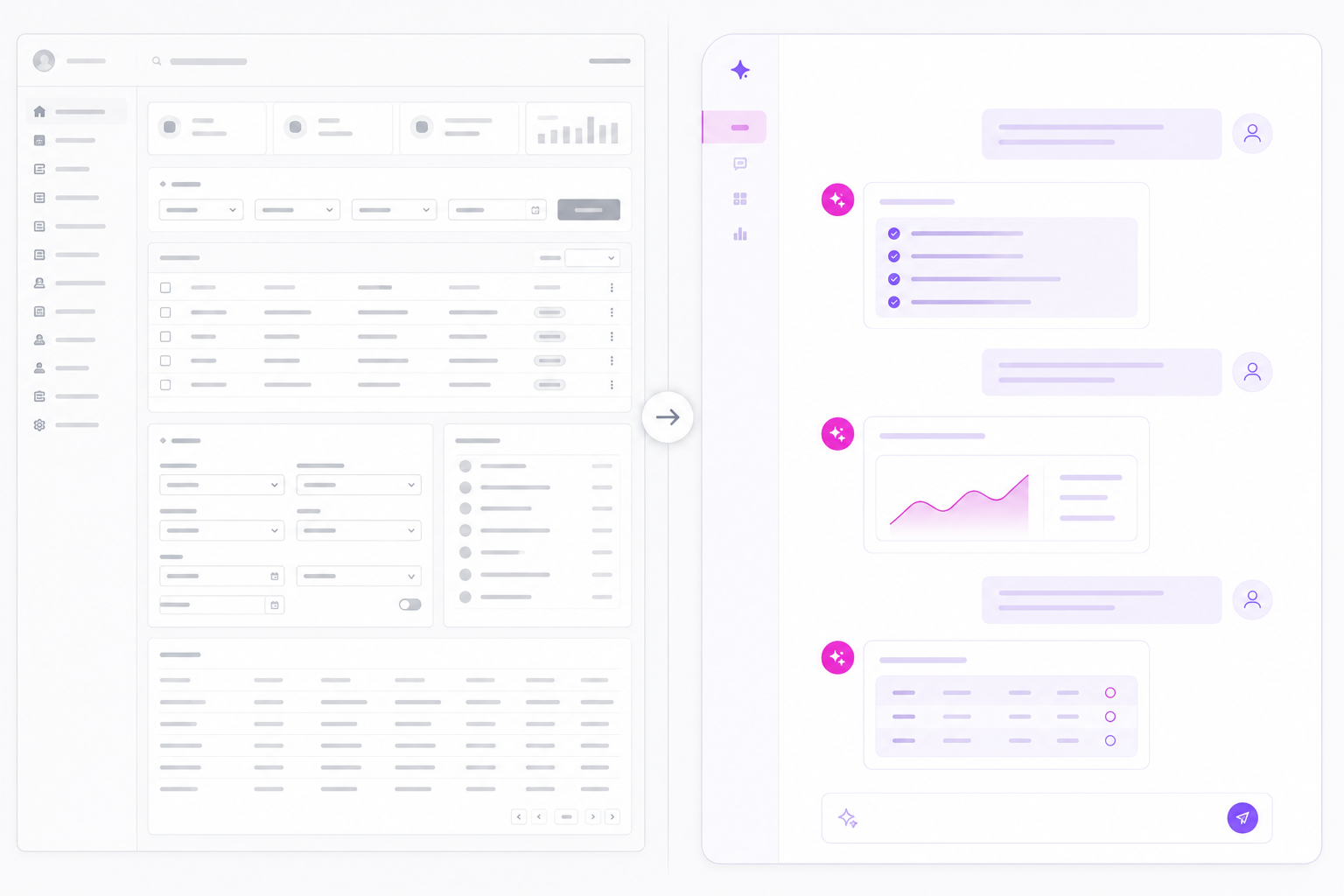
By 2029, nearly 40% of SaaS applications will be agent-led, with AI agents replacing 20% of application functions. Gartner projects agentic AI could drive roughly 30% of enterprise application software revenue by 2035. The per-seat model faces a direct challenge here: if an AI agent can do the work of five seats, the conversation about license count gets uncomfortable fast. The ISVs who capture this shift are not the ones rewriting their platforms from scratch. They are the ones who make their existing platform conversational before someone else does it for them.
Your API is already most of what AI-native requires
The hardest parts of building an AI-native product are already done. Your API layer expresses every capability your platform has, your auth system defines who can do what, and your data model captures the domain logic that took years to get right. What is missing is a new front door, not a rewrite or a migration, but a layer that sits on top of what already exists and lets users say what they need and have your platform do it.
That distinction matters because the alternative being sold to ISVs right now is destructive: throw away your engineering investment and rebuild from scratch on an AI-native architecture. That is not a strategy. That is starting over, and most teams that try it do not finish.
What the conversion actually involves
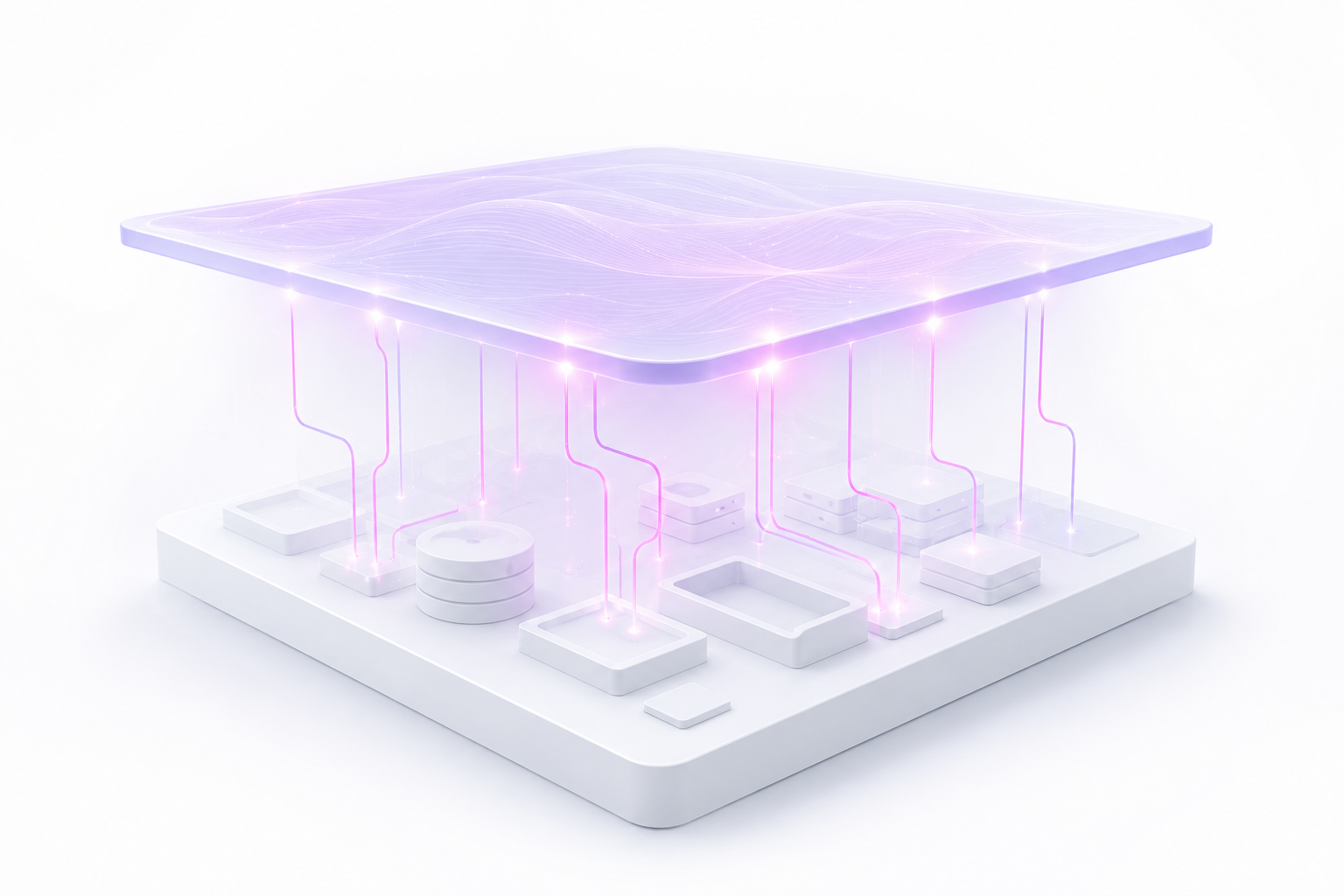
It starts with understanding what you already have. A proper assessment of your codebase discovers your API routes, maps your capabilities, and produces a clear picture of what the conversion looks like: which routes are straightforward, how your auth model translates, and what the effort actually is. This takes days, not months, and it prevents the kind of mid-project surprises that kill timelines.
From there, your existing API endpoints become tools an AI agent can use without touching your underlying code. Your permission model is replicated so the agent respects your auth exactly as your UI does, meaning if a user cannot do something in the interface, they cannot do it in conversation either. An orchestrator agent is tuned to understand your product vocabulary, handle multi-step workflows, and know when to ask for confirmation before taking consequential actions. The conversation interface sits on top of all of it, your codebase untouched, your existing UI still live, the AI layer additive rather than replacing anything.
What this is not
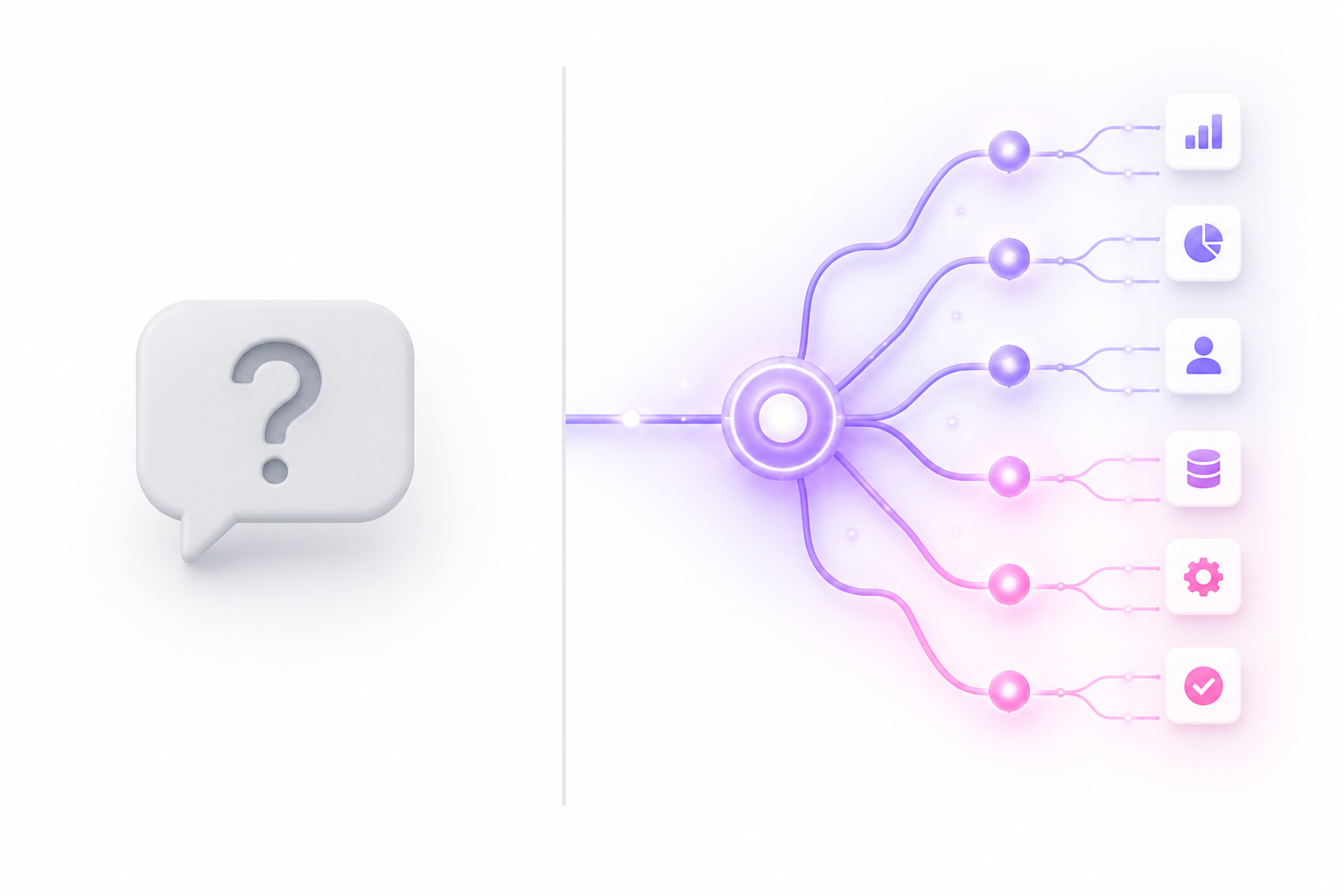
It's not a chatbot. A chatbot answers questions about your product, but a properly built conversational layer executes operations inside it. The agent does not tell a user how to create a project; it creates the project, calling your actual API with proper auth, validation, and tenant scoping. That is a meaningfully different thing and it is also why the implementation is more involved than dropping a widget onto a page.
It's also not a 12-month engagement, though internal teams attempting this themselves face a 42% abandonment rate for a reason. The reason internal teams struggle is because they're building the conversion infrastructure from scratch: assessment tooling, auth replication, agent tuning, deployment pipeline, all of it. When that infrastructure already exists and has been proven across engagements, weeks becomes a realistic timeline rather than a sales pitch.
The window is real
40% of SaaS applications will be agent-led by 2029. That's three years. The ISVs who move first establish the conversational interface as their own. The ones who wait hand that opportunity to whoever decides to wrap their API first, and once a third party owns that layer, getting it back is a different and much harder problem.
Your platform is closer to AI-native than you think. The API layer you already built is most of what it takes. The rest is a layer, not a rebuild.
Talk to our team to see it live or get your AI-native readiness assessment.